
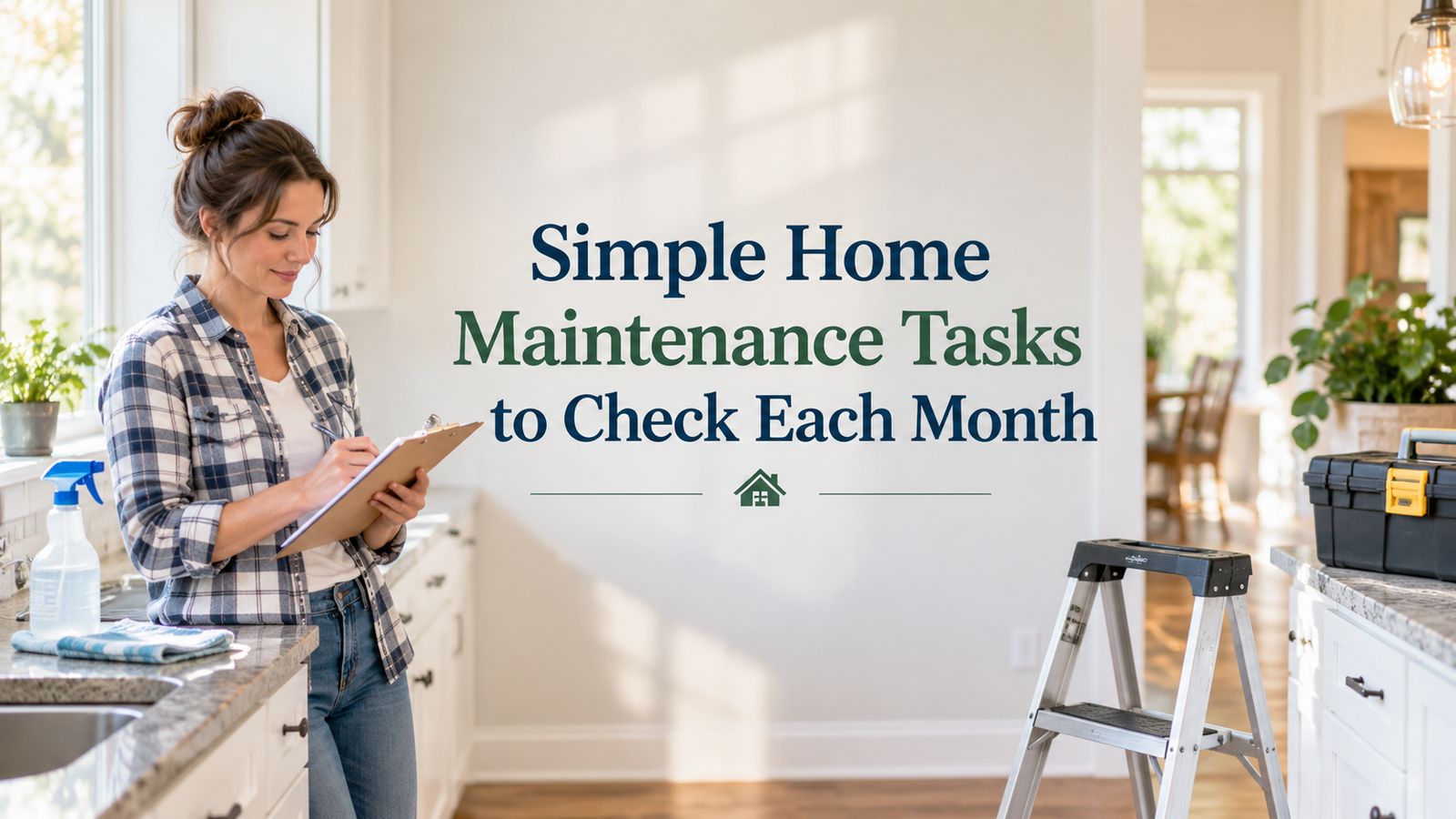
Taking care of a home does not always require major repairs or expensive improvements. In many cases, small checks completed once a month can prevent larger problems later. A simple monthly home maintenance routine helps keep the house clean, safe, comfortable, and in good working condition.
Many homeowners wait until something breaks before giving it attention. This approach can lead to higher repair costs and unnecessary stress. Regular maintenance allows you to notice small changes early. A leaking tap, blocked drain, loose handle, or dirty filter may seem minor, but these small issues can become more serious if they are ignored.
I have found that home maintenance becomes much easier when it is treated as a normal monthly habit instead of a difficult project. You do not need to inspect everything at once. A few simple checks each month can make a noticeable difference over time.
Check Faucets and Pipes for Leaks
Water leaks are among the most common household problems. Even a small drip can waste water and may eventually damage cabinets, walls, or flooring.
Once a month, look under kitchen and bathroom sinks. Check the pipes, joints, and surrounding areas for moisture. Run your hand around the connections if necessary and look for signs of water staining.
You should also inspect faucets, shower heads, and toilet connections. A dripping faucet may only need a simple washer replacement, while moisture around a pipe could indicate a loose connection.
Early detection is important because water damage can spread quietly. Regular monthly checks help you notice problems before they become expensive.
Inspect Drains for Slow Water Flow
Kitchen, bathroom, and shower drains should allow water to move away smoothly. If water begins draining slowly, there may be a buildup of hair, soap, grease, or other material.
Check the main drains around your home every month. Remove visible debris from sink and shower openings. Cleaning small amounts of buildup regularly is much easier than dealing with a completely blocked drain.
Kitchen sinks should also be kept free from cooking oil and food waste whenever possible. These materials can collect inside pipes and gradually reduce water flow.
A simple monthly drain check can help keep the plumbing system working properly.
Clean Air Filters
Air filters are easy to forget because they are usually hidden inside air conditioning or ventilation systems. However, dirty filters can reduce airflow and make the system work harder.
Check filters each month, especially during seasons when heating or cooling equipment is used frequently. Some filters need cleaning, while others need replacement.
A clean filter can improve airflow and reduce the amount of dust circulating around the home. It may also help the system operate more efficiently.
Always follow the instructions provided by the manufacturer because different systems use different filter types.
Test Smoke Alarms
Smoke alarms are important safety devices, so they should be checked regularly. Once a month, press the test button on each smoke alarm in the home.
The alarm should produce a clear sound. If the sound is weak or the device does not respond, inspect the battery or replace it if necessary.
Smoke alarms should also be kept clean. Dust can collect around the device over time. A soft cloth or gentle vacuum attachment can be used to remove surface dust.
Monthly testing only takes a few minutes and is one of the simplest home safety tasks you can perform.
Check Doors and Windows
Doors and windows are opened and closed many times each day. Over time, handles can become loose, hinges can start making noise, and seals can wear out.
Walk around the house once a month and inspect commonly used doors and windows. Make sure locks work correctly and handles feel secure.
Look around window frames for gaps, moisture, or damaged seals. Properly sealed windows can help keep indoor temperatures more comfortable and may reduce unwanted drafts.
A small amount of maintenance can prevent minor hardware problems from becoming larger repairs.
Look for Signs of Dampness
Dampness can appear in bathrooms, kitchens, basements, storage areas, and rooms with poor ventilation.
Each month, look at ceilings, walls, corners, and areas around windows. Dark spots, peeling paint, unusual odors, or damp surfaces may indicate excess moisture.
Finding the source early is important. Sometimes the cause is simple condensation, while in other cases it may be a leaking pipe or roof problem.
Keeping rooms well ventilated can also help control moisture, especially in bathrooms and kitchens.
Check the Toilet for Problems
Toilets should flush properly without leaking or continuing to run for a long time.
Once a month, listen after flushing. If water continues running inside the tank, there may be a problem with the internal mechanism.
Check around the base of the toilet for moisture. Water around the floor should not be ignored because it may indicate a leaking connection or seal.
It is much easier to repair a small toilet problem early than to deal with water damaged flooring later.
Inspect Electrical Cords and Plugs
Electrical appliances are used every day, and cords can become damaged through regular movement and use.
Once a month, inspect frequently used plugs, extension cords, and appliance cables. Look for cracked insulation, loose connections, unusual heat, or discoloration.
Do not continue using a damaged electrical cord. Electrical problems should be taken seriously because they can create a fire or shock risk.
Sockets and switches that feel unusually warm or make strange sounds should also be inspected by a qualified professional.
Clean Kitchen Appliances
Regular cleaning can help household appliances remain in better condition.
Once a month, give frequently used kitchen appliances a deeper clean. Wipe the refrigerator shelves, clean the microwave interior, inspect the oven, and remove crumbs from the toaster area.
You can also check the refrigerator door seal. The seal should close firmly without large gaps.
Keeping appliances clean is not only about appearance. Food particles, grease, and dust can sometimes affect performance.
Check the Refrigerator
The refrigerator works continuously, so it deserves regular attention.
Check the temperature and make sure food remains properly cooled. Look at the door seal and clean any dirt that may prevent the door from closing properly.
Move older food forward so it can be used before it expires. Discard spoiled food and wipe spills before they become difficult to clean.
If the refrigerator has exposed coils that require cleaning, follow the manufacturer instructions. Dust around certain components can reduce efficiency.
Inspect Washing Machine Connections
Washing machines use a large amount of water, and damaged hoses can cause serious leaks.
Each month, look behind the washing machine if it is safe and accessible. Check water hoses for cracks, swelling, or moisture.
Make sure the machine is sitting properly and does not move excessively during operation.
The detergent area and rubber seals should also be cleaned regularly because moisture can collect in these places.
Clean Bathroom Areas
Bathrooms develop moisture, soap residue, and mineral deposits quickly.
A monthly deeper cleaning can help prevent buildup around taps, shower heads, tiles, and fixtures.
Pay special attention to corners and areas around seals. Damaged sealant around baths, sinks, and showers may allow water to reach surfaces that should remain dry.
Keeping bathroom surfaces clean also makes it easier to notice leaks and other problems.
Check Cabinets and Drawers
Cabinet doors and drawers can become loose with regular use.
Once a month, check handles, hinges, and runners. Tighten loose screws where appropriate.
Kitchen cabinets should also be inspected for signs of moisture, especially those located under sinks.
A small amount of moisture under a cabinet may be the first visible sign of a plumbing problem.
Inspect Walls and Ceilings
Take a few minutes each month to look carefully at walls and ceilings.
Small cracks, stains, peeling paint, or unusual marks may reveal maintenance issues. Some small cracks can occur naturally as buildings settle, but sudden changes should be monitored.
Water stains deserve particular attention because they may indicate roof or plumbing leaks.
Taking a photo of an unusual crack can also help you compare its size over time.
Look at the Roof From the Ground
You do not need to climb onto the roof every month.
Instead, stand at a safe location outside and look for obvious changes. Check whether tiles appear damaged, sections look uneven, or gutters seem blocked.
After storms or heavy rain, a quick visual inspection can be especially useful.
Roof work can be dangerous, so any inspection requiring climbing should normally be handled by someone with the correct equipment and experience.
Check Gutters and Drainage Areas
Rainwater should move away from the building properly.
Look at gutters, downpipes, and outdoor drainage points. Leaves and debris can block water flow and cause overflow during heavy rain.
You should also make sure water is not collecting close to the foundation of the house.
Good drainage helps protect walls, foundations, and outdoor surfaces from unnecessary moisture.
Inspect Outdoor Areas
Outdoor areas also need regular attention.
Walk around pathways, steps, gates, fences, and garden areas. Look for loose paving, damaged surfaces, or anything that may create a tripping risk.
Check outdoor taps and hoses for leaks. Garden tools should also be stored properly so they remain clean and protected from weather.
Small outdoor repairs are usually easier when they are completed before damage spreads.
Look for Signs of Pests
Pests often leave small signs before they become a larger problem.
Once a month, inspect food storage areas, cabinets, corners, and outdoor entry points. Look for droppings, damaged packaging, unusual smells, or small gaps where insects or rodents may enter.
Keeping food containers sealed and removing crumbs can reduce the chance of attracting pests.
If there are clear signs of a larger infestation, professional pest control may be necessary.
Check Frequently Used Furniture
Home maintenance also includes furniture that is used every day.
Inspect chairs, tables, shelves, and beds for loose screws or unstable parts. A slightly loose chair leg can become unsafe if ignored.
Cleaning furniture regularly also gives you an opportunity to notice damage early.
Wooden furniture may need special care depending on the type of finish, so always use suitable cleaning products.
Review Your Home Maintenance Notes
It can be useful to keep a small notebook or digital checklist for home maintenance.
Write down anything that needs attention. Some problems may not require immediate repair but should still be monitored.
For example, you may notice a small wall crack one month. If it looks different during the next inspection, you will know that further investigation may be needed.
A maintenance record also helps you remember when filters, batteries, and other items were last replaced.
Create a Simple Monthly Routine
The easiest way to manage home maintenance is to create a routine that fits your schedule.
You could choose one weekend each month to complete your checks. Walk through each room and spend a few minutes looking at plumbing, electrical items, windows, doors, appliances, and surfaces.
There is no need to make the process complicated.
A simple routine might include checking for leaks, testing smoke alarms, inspecting filters, cleaning drains, looking for moisture, and reviewing outdoor areas.
Once the habit becomes regular, the entire inspection can become surprisingly quick.
Why Monthly Home Maintenance Matters
Regular home maintenance is mainly about prevention.
Small problems are often cheaper and easier to fix than large ones. A minor leak, loose screw, dirty filter, or blocked gutter may require very little effort when discovered early.
Monthly maintenance also helps you understand the normal condition of your home. When something changes, you are more likely to notice it.
This awareness can make home ownership less stressful because problems are less likely to appear as complete surprises.
Final Thoughts
Simple home maintenance tasks do not require advanced skills. The most important thing is consistency.
Checking faucets, drains, filters, smoke alarms, doors, windows, appliances, bathrooms, outdoor areas, and other commonly used parts of the home once a month can help prevent unnecessary repairs.
The goal is not to make your home perfect. The goal is to notice small problems before they become bigger ones.
A few minutes spent on regular home maintenance each month can protect your home, save money, improve safety, and make everyday living more comfortable.
When home maintenance becomes part of your normal routine, it feels less like work and more like a simple habit that keeps everything running smoothly.