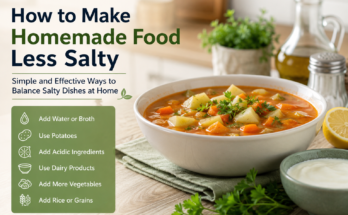

Making homemade food taste better does not always require expensive ingredients, complicated recipes, or professional cooking skills. In my experience, the biggest difference often comes from a few simple cooking habits. When I started paying more attention to seasoning, texture, freshness, and cooking time, even basic meals began to taste much more satisfying.
Whether you are preparing a simple breakfast, a quick lunch, a family dinner, or a homemade snack, small improvements can make a noticeable difference. The good news is that most of these techniques are easy to learn and can be used with everyday ingredients.
In this guide, I will share practical tips on how to make homemade food taste better while keeping cooking simple, affordable, and enjoyable.
Start With Fresh Ingredients
One of the easiest ways to improve homemade food is to use fresh ingredients whenever possible. Fresh vegetables, herbs, garlic, onions, fruits, and quality proteins naturally have more flavor.
For example, fresh garlic can give a much stronger and more pleasant flavor than old garlic. Fresh herbs such as coriander, parsley, basil, and mint can also make a simple meal feel much more flavorful.
I also recommend checking the freshness of vegetables before cooking. Fresh tomatoes, onions, peppers, carrots, and leafy greens can improve both the taste and appearance of a meal.
Fresh ingredients do not mean you have to spend more money. Buying seasonal produce is often an affordable way to get better flavor.
Learn How to Season Your Food
Good seasoning is one of the most important parts of delicious homemade food. Many meals taste bland simply because they do not have enough seasoning.
Salt is especially important because it helps bring out the natural flavors of other ingredients. However, it is better to add salt gradually rather than adding a large amount at once.
I usually season food at different stages of cooking instead of waiting until the very end. This allows the flavors to develop throughout the dish.
Black pepper, paprika, cumin, chili powder, garlic powder, onion powder, and dried herbs can also add depth. You do not need to use every spice. Choose seasonings that match the type of food you are preparing.
Do Not Forget Acid
One of the most useful cooking tricks I have learned is the importance of acidity. A small amount of lemon juice, lime juice, vinegar, or another acidic ingredient can make a dish taste brighter.
For example, if a soup tastes heavy, a little lemon juice can help balance it. A few drops of lemon over grilled chicken or roasted vegetables can also make the flavors stand out.
The key is moderation. You do not want the food to taste sour. You simply want enough acidity to balance the other flavors.
Use Garlic and Onions
Garlic and onions are basic ingredients, but they can completely change the flavor of homemade food.
Cooking onions slowly can bring out their natural sweetness and create a deeper flavor. Garlic can add a warm and savory taste to soups, sauces, vegetables, rice, meat, and pasta.
I often start many dishes by gently cooking onions and garlic in a little oil. This creates a flavorful base before adding the remaining ingredients.
Be careful not to burn garlic because burnt garlic can become bitter. Gentle cooking usually produces a much better result.
Cook With Good Quality Oil
The type of fat you use can influence the final taste of your food. Olive oil, butter, coconut oil, or other cooking oils can each provide a different flavor.
Butter can add richness to vegetables, sauces, eggs, and baked dishes. Olive oil works beautifully with vegetables, salads, pasta, and many Mediterranean inspired meals.
You do not necessarily need a large amount of oil. A small quantity used correctly can help spices release their flavors and improve the texture of food.
Toast Your Spices
If you want stronger flavor from spices, try gently heating them before adding liquid ingredients.
For example, cumin, coriander, paprika, and other dry spices can become more aromatic when briefly cooked in oil. This simple technique can make homemade curries, rice dishes, soups, and vegetable recipes taste much more flavorful.
The important thing is to watch the heat carefully. Spices can burn quickly. Use moderate heat and stir them frequently.

Give Your Food Enough Time to Cook
Cooking too quickly can sometimes prevent flavors from developing properly. This does not mean every dish needs hours of cooking. It simply means you should follow the cooking process instead of rushing it.
For example, onions often become sweeter and more flavorful when cooked slowly. Soups and sauces can also develop better flavor when allowed to simmer for an appropriate amount of time.
At the same time, avoid overcooking vegetables and proteins. Good food is usually about finding the right balance between cooking time and texture.
Focus on Texture
Taste is important, but texture also affects how we experience food. A meal can have excellent seasoning and still feel disappointing if everything has the same texture.
Try combining different textures whenever possible. Crispy vegetables can work well with soft rice. Creamy sauces can pair nicely with crunchy toppings. Toasted nuts or seeds can add texture to salads and soups.
When cooking vegetables, avoid making them unnecessarily soft. Properly cooked vegetables should usually retain some structure and freshness.
Use Fresh Herbs
Fresh herbs are one of my favorite ways to make simple homemade food taste better.
Coriander, parsley, basil, mint, dill, and green onions can add freshness and color. They are especially useful as a finishing ingredient.
Instead of cooking every herb for a long time, try adding some fresh herbs near the end of cooking. This helps preserve their fresh aroma and flavor.
A simple bowl of rice, soup, roasted vegetables, or grilled chicken can look and taste completely different with a small amount of freshly chopped herbs.
Make Homemade Sauces and Dressings
Sauces can transform simple ingredients into a much more interesting meal.
A basic homemade sauce can be made with ingredients such as yogurt, lemon juice, garlic, herbs, olive oil, mustard, or spices. Salad dressing can also be prepared at home in just a few minutes.
I prefer homemade sauces because I can adjust the flavor according to the meal. If I want something fresh, I may use lemon and herbs. If I want something creamy, yogurt can be a useful base.
Homemade sauces also allow you to control the amount of salt, sugar, and other ingredients.
Taste Your Food While Cooking
One habit that can make a major difference is tasting your food during the cooking process.
Instead of waiting until the meal is completely finished, taste it at different stages. Ask yourself whether it needs more salt, acidity, spice, sweetness, or herbs.
This is how you gradually learn how different ingredients work together.
Of course, use a clean spoon each time you taste prepared food. The goal is to make small adjustments before serving rather than trying to fix the entire dish at the end.
Balance the Main Flavors
Great food usually has balance. Depending on the recipe, you may need a combination of salty, sweet, sour, bitter, spicy, and savory flavors.
If a tomato sauce tastes too acidic, a small amount of sweetness may help balance it. If a dish tastes heavy, acidity or fresh herbs can make it feel lighter.
You do not need complicated formulas. Start with a small adjustment, taste again, and continue until the flavor feels balanced.
Do Not Overcrowd the Pan
This is particularly important when cooking vegetables, chicken, meat, or potatoes.
When too much food is placed into a pan at once, the temperature can drop. Instead of browning properly, the ingredients may release moisture and steam.
Giving ingredients enough space allows them to brown and develop a richer flavor.
If you are cooking a large quantity, it can be better to work in batches. It may take a few extra minutes, but the final result can be much better.
Learn the Power of Browning
Browning creates some of the most enjoyable flavors in cooking. When vegetables, meat, or other ingredients develop a golden brown surface, they can become more flavorful and aromatic.
Make sure your pan is properly heated before adding ingredients that you want to brown. Avoid moving them constantly. Let them sit long enough to develop color.
This simple technique can make roasted potatoes, chicken, onions, mushrooms, and vegetables taste much more satisfying.
Use Homemade Stock When Possible
Homemade stock can add depth to soups, rice, sauces, and other dishes. You can make it using vegetables, chicken bones, herbs, and other ingredients you already have available.
If homemade stock is not practical, a good quality store bought stock can still be useful.
Instead of cooking rice or grains only with water, try using stock when appropriate. It can add extra savory flavor without requiring complicated ingredients.
Finish Your Food Properly
The final few ingredients can have a surprisingly large effect on a meal.
A drizzle of olive oil, a squeeze of lemon, freshly ground black pepper, chopped herbs, toasted seeds, or a small amount of grated cheese can give a finished dish more character.
Think of these ingredients as the final touch rather than the main part of the recipe.
Presentation also matters. Serving food on a clean plate with some color and variety can make the meal feel more enjoyable.
Keep Experimenting
The best way to improve your cooking is to practice. Do not be afraid to make small changes to familiar recipes.
If you normally prepare vegetables with salt and pepper, try adding garlic and lemon. If you usually make plain rice, experiment with herbs or spices. If your homemade pasta tastes ordinary, try making a simple sauce or adding fresh herbs.
Keep notes about combinations you enjoy. Over time, you will develop your own cooking style and learn which flavors work best for you.
Final Thoughts
Learning how to make homemade food taste better is mostly about understanding simple cooking techniques. Fresh ingredients, proper seasoning, balanced flavors, good texture, browning, fresh herbs, and homemade sauces can make an ordinary meal taste much more special.
In my opinion, you do not need a professional kitchen or a long list of expensive ingredients to cook delicious food. Paying attention to the small details can make a bigger difference than following complicated recipes.
Start with one or two techniques from this guide and practice them regularly. As you become more comfortable, try combining different methods. Before long, you may notice that your homemade meals taste richer, fresher, and more satisfying without making cooking unnecessarily complicated.
The most important thing is to enjoy the process. Cooking is a skill that improves with practice, curiosity, and a willingness to experiment. With a few simple habits, you can make homemade food taste better and create meals that you and your family genuinely enjoy.